
 When you meet someone for the first time, how do you reply to their inevitable question, “What do you do?”
When I held my first jobs, I was always excited to reply with my newly acquired title. “I’m an editorial assistant,” I said, straight out of college. “I teach writing,” I said, in graduate school. “I’m a research assistant,” I proclaimed, when I landed that job.
But when I chose to forgo a non-academic path in order to write, I also took some jobs that had nothing to do with writing and everything to do with supporting my family, like managing a medical practice.
During those years, when someone asked, “What do you do?” I still said, “I’m a writer.”
“Oh, really? What do you write?”
“Grocery lists,” I wanted to say, because, in truth, I wasn’t earning money from my pen and I still hadn’t published a novel. But I was writing editorial columns, so I’d talk about my published credentials, saying nothing about the half-dozen short stories and notes for novels I produced in secret silence on my own time.
 That’s when I realized that when someone asks, “What do you do?” they usually want to know the boring details about how you earn money. For a while, I answered, “I manage a medical practice.” On less charitable days, I’d come right out with, “What do you really want to know, what I do or how do I earn money?”
This snappy riposte would only afford me momentary pleasure, because it then forced me to acknowledge that I wasn’t making any money doing the one thing that was most important to me – sometimes even more important than my family. Shocking, but true.
At about this point in life, I decided to try earning money by writing – and I did. I especially liked the assignments I found translating medical texts into language an ordinary person could understand; these jobs were both interesting and lucrative. But being a pen-for-hire was no different from office management in that it still ate up the limited time that I had while the kids were in school, leaving me gasping for time to write fiction.
At some point, I wizened up or gained courage or both, and when someone asked me, “What do you do?” I replied, “I’m a writer.”
“Really? What do you write?”
By then, I’d drafted two novels. “I’m a novelist,” I said, daring anyone to contradict my accomplishment.
“Best sellers?”
“Not published.” I replied, with a fair measure of defiance.
From there, it would be a toss-up which way the conversation would continue, from, “I’ve got a book I’d like to write,” to “I know someone who got a six-figure advance.” This is when I’d resist the urge to kick this person in the shins by walking away, steam visibly escaping from my ears.
But with practice and patience, I’m learning that money is not the only way to measure the value of what I do. After all, tax credits for dependent children aside, I’ve never been paid to raise children either, yet I have no trouble understanding that parenting is a valuable, even patriotic, job.
Money is only one measure of value, albeit one our culture is obsessed with. Not me. I’m obsessed with language and stories, so I’m starting to measure my success as a writer in number of words written and published rather than dollars earned with my pen.
Sure, in an ideal world I’d be able to earn a living as an essayist and novelist. Hopefully, someday I will. And why not? Every year, I write more, publish more, earn more. If I keep at it, I have a chance of achieving this goal; if I give up, I don’t.
So, I’m going to continue writing essays and novels; it’s work that I value, even if that value isn’t in dollars and cents. And since I spend my days  writing, I’ve decided from now on to answer that question, “What do you do,” honestly. I’m going to tell anyone who asks what I actually do for the better part of each day. From now on, when someone asks me, “What do you do?” I’ll tell them the truth.
“I write,” I’ll say.
It’s what I do every day.
So, what do you do?
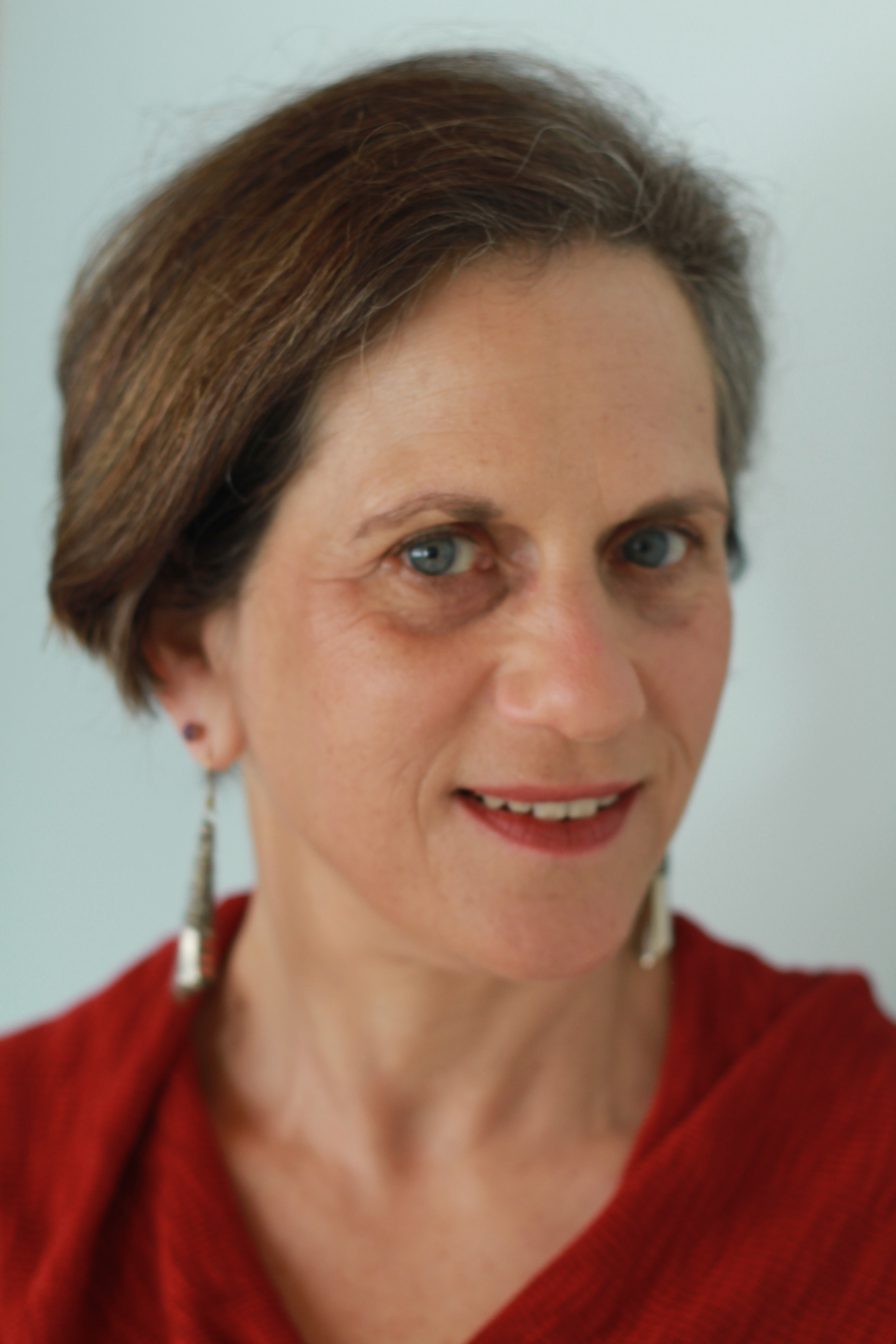
photo: M. Shafer
Deborah Lee Luskin is an award-winning novelist who writes in and about Vermont.
Oh my. I can hear my own voice throughout your post. It was easiest when I was a student. You might earn cash by cleaning houses or serving food…but I could always declare that I was a student. And then when I was working full time after university, like you, I was able for some time to proudly say I work for the police! Or I am in media relations! And people would cover their ears. Now, as a technical writer, I can honestly say I am a writer…but inside I don’t feel like the writer I want to be. Which is where this blog world comes in. And where other writers, like you, inspire. Thank you!
Good one! I’m a life insurance agent; tell that to people and they immediately tell you they have enough life insurance. These days, while I still make my living as a financial advisor, I always respond, “I’m a writer,” then I hand the person my writing card. Last week, in the Limpia Hotel bar in Fort Davis, Texas, three of the people there were working on screenplays!
Oh, I can so relate and how true about this typical, mundane question people ask! What DO they really want to know? Each time it’s asked we are driven to reflect a little bit on what it is we are doing and how we are doing it. Best to you in your writing career!
It sucks that we live in a society that only cares about your paycheck at the end of the month. Some even have the audacity to ask about how much you get at the end of the month. =/
My money-making gig is translation; however, like you, I write and identify as a writer. 🙂
I absolutely love the line ‘I’m learning that money is not the only way to measure the value of what I do’, and I thank you for writing that.
When I was younger, I was more than happy to announce my random job title. Now, I don’t think it’s that big of a deal. I did learn a new trick, though. I am an alligator in a vest. 🙂 Investigator. hahaha
I can definitely see that this will probably be me in the future. I am still in University right now but I get asked what I’m going to do with my degree when I’m done all the time. It sort of bothers me because they ask me with a little smirk on their faces, ready to laugh at my response. Honestly, I really do want to write for a living, I want to be able to make a living with words but I see more and more that it will be a lot harder than I’d originally thought. Freelancing seems a really attractive option, but one that is hard to pull off. This post really made me think about my future and how I’m going to make my life work.
For whatever it’s worth, my advice is “Do what you love; the money will follow.” Best of luck, Deborah.
That’s definitely some good advice that I plan to follow! Thanks so much!
It’s really such a loaded question. I also find that yes, people do want to know how you earn money, AND they want the answer to be simple and easy to understand. I can’t tell you how many conversations I’ve killed with my own answer to that question: “I’m a domestic violence advocate”. No one wants to know or talk about that! What’s especially ironic, is that it has the potential to lead to such a great further conversation about what I do as a whole person (advocate for justice, care about social issues, and on and on), but it tends to just scare people off!
Well, this is yet another example that we have to do what we have to do regardless of what others’ think. Kudos to you for doing this important work. (In addition to writing, I’m a restorative justice volunteer.) Best, Deborah.
Great post! I don’t feel my day job is a good description of who I am or what my career goals are. I like to answer the “What do you do?” question by responding with my day job and adding “…and I’m a writer.” I find this easier to say when I have a current freelance writing gig. This way when they ask what I write I can tell them what newspaper or magazine I am writing for, as opposed to saying, “I’m working on a novel” or “I just finished writing a short story…” Unfortunately, It doesn’t seem to satisfy people when your work hasn’t either been paid or published!
Jennifer,
I hope it satisfies you to write, even if your work hasn’t been paid for or published – yet.
Thanks for reading and commenting on the post. Good luck, Deborah.
Gosh, I wrote about a similar experience — my inability to say that “I’m a writer” because I haven’t been published (aside from a short story). I have since learned that there is more value to writing (and my identity as a writer) than whether or not I’m successful. Great post!
If you write – you’re a writer. Don’t let the marketplace be the only measure of success.
Thanks for your comment, Deborah.
Most can identify with feelings in this post.
Now asking what job people do is a rather tricky situation – so many are out of jobs or had to take jobs they are overqualified for – or are the only job they could find – so don’t worry – writers aren’t the only ones fretting over what to say.
Good point! Thanks for your comment. Deborah.
Reblogged this on Lori's Inner Goddess and commented:
I love reading posts like these from other writers. (There, I said it. I called myself a writer and grouped myself in with people who are writers). Why do I like these posts, you may ask? Because they get me to thinking.
This particular post had me not only realizing that I have been a writer for many years, although an unpaid one. It also got me to thinking not only “what do I do?” but “who am I?”
People have asked me, as they asked Deborah Lee Luskin per her post, what I do. I always answer “I’m a paralegal”. Sometimes I get a “oh?” Sometimes a “huhhhh” with a change of subject. Others will say “how exciting!” and then promptly change their minds once they ask me what type of law I work in. (Probate, if you’re interested). Not Law & Order, people.
Sure, I work as a paralegal but is it who I am? I don’t think so. I’m not passionate about the law the way I am about writing. My job is just that – – a job, a way to pay the bills. It’s not my truest desire and it’s not what I would be doing if money were no object. Writing, on the other hand, is.
What about you? Who are you? And do you do what you are?
Lori,
Thanks for these thoughtful comments. We do need to move on beyond measuring each other and ourselves solely by how we earn an income.
Keep writing! Deborah.
Through and through, superb!
…and your line here: “I’ve never been paid to raise children either, yet I have no trouble understanding that parenting is a valuable, even patriotic, job.”
No one doubts the value of unpaid workouts at the gym or daily walks either. No one staying fit has to say, ” no, I’m not training for the Olympics.”!
Thanks, Marso.
We all do so much more than whatever it is we do to earn an income. Sure, I write. I also empty the cat box.
Best wishes, Deborah.
I volunteer 🙂
Yvonne,
I think we all do many things – and many of them more meaningful and more interesting than what we may have to do to support ourselves financially. Thanks for your comment. Deborah.
I understand your post and I feel that it’s really reflective; on LinkedIn for example-the professional headline is supposed to define you. It’s been difficult coming up with one.
I am at this junction in my life, and I found your post to be really inspiring. What I needed to read to keep me going in my endeavors. Right now, I’m a stay at home mom (a more than full time job) but when the kiddo is napping or down for the night I’m writing my first novel. I’ve gotten the question, “Do you work?” more times than I’d like to count. What a terrible question! Yes I work! Have you tried taking care of an infant by yourself day in and day out for 12+ hours a day? And on top of that I’m finding time for my creative outlet that is so important to me. My job may not be what supports my family but it is vitally important to our daily lives. People are so hung up on how others make a living instead of how their actually living. And without my time to write I feel like I’d be living poorly. Thank you for the validation, it’s always nice to see others that have taken a (sort of) similar path.
Thank you. I write editorial copy for press advertising every day and never call myself a writer. Why? I was/am in the frame of mind that even though it (almost) pays the bills it’s not the type of writing that gives me creative satisfaction. Caring for my three boys on my own and working a full time job seems to wipe out time and energy for creative me at this point in my life but you just gave me a glimmer of hope. I am a writer, I’m published many times a week after all . I just have to believe it to convince others.
I see the determination,but I question how you survive without the medium of exchange that rules the world- the bills etc? I have not banged an opportunity to freelance in writing.Although my urge to do that is on the increase.May be you may come to my rescue!
Oh, I have to earn money and clean the cat box and buy groceries and do laundry, just like everyone else. But when someone asks me, What do I do? I choose to interpret that as What’s important to you? Writing isn’t just important to me, it’s also more interesting than earning money. I’d rather have more time to write than more money in the bank. But that’s me.
Thanks for your comment – and good luck. Deborah.
Yes, exactly what you said! When I get asked about what I do, I either say I’m a writer, or I play with words and expand from there. I love finding out what success means to people — more and more it really isn’t about the money. Thanks for another insightful conversation, Deborah!
Lisa, What a different place this world would be if we could separate money from success! Thanks for your comments. Deborah.
Great post! Partly is the idea society has about success. Success is many times attached to a paycheck as opposed to what makes one happy. It is also generational, most baby boomers will answer instantly with a job title, while younger generations will first tell you their passion and as an afterthought what they do for money. When I tell people that I am a writer, I feel a sense of pride that is several notches higher than when I tell them I am a Corporate Security manager at a Fortune 500 company and retired Federal Agent. That at times comes with a sense of embarrassment depending on the conversation… On is one to say? At this point they are both important, one pays the bills so that I can follow the passion I have for the other one.
Yes, yes, yes! How different the world would be if we all answered the question with what is our passion rather than a paycheck – which isn’t to say we don’t need a paycheck, just that sometimes, it’s the other stuff we do that feeds our soul.
Thanks for your comments. Deborah.
I love how you word it: “if we all answered the question with what is our passion rather than a paycheck”. Good phrase: “passion or paycheck”! Thank you!
J’adore ce blog. Cela m’encourage de plus en plus à continuer de foncer dans le domaine. Après plusieurs mois de recherche intensive, je n’ai rien trouvé mieux que de retranscrire des données ou bien faire quelques petits résumés sur un sujet donné. Mais , en lisant votre blog, je m’aperçois que juste écrire une phrase est une marque de créativité, de passion et nous avons tous à quelque part un écrivain en soi. Soyez fière de ce métier. Merci pour ce blog merveilleux
Laughed at the “grocery lists” part because when I get asked that question I want to say the obvious, “I write words, duh!” Many people stereotype writers as the “artsy-fartsy” type. Sometimes they’re polite, they ask for details but if I begin to talk about the different types of writers there are, how long it actually takes as well as how much work goes into writing a book, articles, essays, short stories – well, you can see their eyes start to glaze over. Especially after they find out I’m not famous or haven’t been published in some pretigious journal or made the NY Times Bestseller List.
Then there are the types who say, “Oh, I write too and thinking about trying to get published.” Then they go on and on about how they wrote stuff 20 years ago and ply you with questions about where they should submit their work. Then MY eyes glaze over and I have to bite my tongue to resist the urge to say, “Really – you think it’s that easy?” (and other no-so-nice thoughts in response to their oblivious undermining and ignorance of a profession you love so passionately).
Now I just answer, “I’m a business and creative writer.” Keep it short and sweet unless I think there is a possibility to make a business connection.
If it’s another “real” writer? Now we’re really talkin’…it’s like a breath of fresh air because I know they get it.
You get it, Deborah. Spot on. So much to talk about in this one fantastic post and great to read the terrific responses!
Sad that we have to attach monetary gain to what we do. I think it’s funny when people ask “are you famous?” I’d like to reply back “Are you?”
Great post and conversation. The writer title took a while to roll off of my tongue. It takes courage to put words to paper (or screen) and then hit send whether to a publisher or to the world via blogs. Then it takes a little more to admit that you, like your writing, are a work in progress.
You are so right when you say, “I’m learning that money is not the only way to measure the value of what I do.” We need more evolved measures than the solitary index of money that we tend to count on.
When people ask me what do you do, I had a tough time answering until I coined the tern ‘Inner Landscape Artist’ 🙂 I explain it on my blog. Sometimes our terminology cannot do justice simply because its not simply a matter of what you are doing, but who you are being. I remember reading a cartoon wherein one character asks, “What do you do?” and then ignores the cliched answer the other provides. He continues, “No, what I meant is what do you do to contribute to the world?” Wouldn’t it be nice to have our attention on such a question?
As regards the mixed emotions that come with being a writer and owning up to the value addition we bring, you may like my post: “Writing – Why Bother?” http://serenereflection.wordpress.com/2013/03/21/writing-why-bother/
Good wishes!
Sangeeta